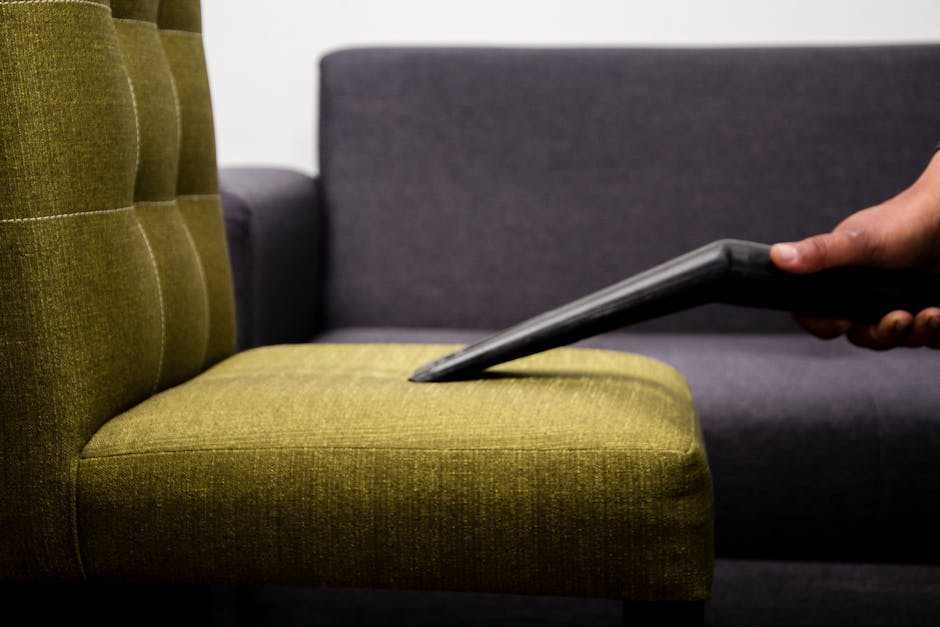
Common problems booking Hammersmith upholstery cleaning explained
Booking upholstery cleaning sounds simple enough: pick a date, get a quote, tidy the room, done. In real life, though, people often run into frustrating little snags. The biggest issue is not usually the cleaning itself; it is the booking process. That is why Common problems booking Hammersmith upholstery cleaning explained matters if you want a smoother experience, fewer surprises, and a better result for your sofa, chairs, or other fabric furnishings.
In Hammersmith, where homes and businesses often have mixed-use spaces, busy schedules, and all sorts of upholstery fabrics, the booking stage can get awkward fast. Maybe the company needs more detail than you expected. Maybe the stain looked small in the photo but turns out to be properly stubborn. Or perhaps you are trying to line up a cleaner around work, school runs, deliveries, or guests. It happens. The good news is that most booking problems are predictable once you know what to look for.
This guide breaks down the most common issues people face, why they happen, how the booking process usually works, and what you can do to avoid stress. It also covers practical checklists, comparison points, and the kind of questions worth asking before anyone arrives at your door with equipment humming away in the hallway.
Table of Contents
- Why booking problems matter
- How the booking process works
- Key benefits of getting it right
- Who this is for
- Step-by-step guidance
- Expert tips for better results
- Common mistakes to avoid
- Tools, resources and recommendations
- Law, compliance and best practice
- Options and comparison table
- Case study or real-world example
- Practical checklist
- Conclusion
- Frequently asked questions
Why Common problems booking Hammersmith upholstery cleaning explained Matters
Booking issues are rarely dramatic, but they can be costly in time and patience. If you have ever cleared a living room, moved cushions about, then found out the cleaner cannot treat the fabric type you have, you will know the feeling. A lot of the friction comes from assumptions. Customers assume a quote includes everything. Cleaners assume the customer has already checked access, fabric type, parking, or drying expectations. Then everyone ends up doing a bit of damage control.
That matters more than people think. Upholstery is not one-size-fits-all. A velvet sofa, a synthetic office chair, and a wool blend armchair can all need a slightly different approach. Some pieces can be safely wet cleaned; others need low-moisture or specialist stain treatment. If the booking conversation misses those details, the appointment may be delayed, rescheduled, or priced differently on the day. Not ideal, really.
There is also the trust piece. People want to know who is coming into their home, what equipment will be used, how long the job will take, and what happens if the fabric reacts badly. A clear booking process gives you confidence before the first cloth touches the first cushion. For many readers, that confidence is the real product. The clean is almost the easy bit.
If you are comparing providers, it helps to look beyond the headline price and read the surrounding service information carefully. Pages such as pricing and quotes, terms and conditions, and insurance and safety can tell you a lot about how a company handles expectations, responsibility, and risk.
How Common problems booking Hammersmith upholstery cleaning explained Works
The booking process for upholstery cleaning usually follows a simple pattern, even if the details vary slightly from one company to another. First, you provide basic information about the item or items: sofa, armchair, dining chairs, ottoman, headboard, or similar. Then the cleaner asks about fabric type, condition, visible stains, pet odours, access, and how urgently you need the work done. After that, you receive a price estimate or a tailored quote, followed by a scheduled visit.
The problems tend to show up in the gaps between those steps. A few common ones are almost laughably ordinary:
- the furniture is larger than the customer first described;
- there are more seats than expected;
- the stain is older, set deeper, or has already been treated with the wrong product;
- parking is trickier than the booking form suggested;
- the customer expected same-day drying, which is not always realistic;
- the fabric label is missing, faded, or impossible to find.
Truth be told, the cleaner is not trying to be difficult. They need enough detail to choose the right cleaning method and avoid damaging delicate upholstery. That is particularly true for natural fibres, antique pieces, or items with mixed materials. The better the pre-booking information, the less likely you are to get that awkward phone call on the morning of the appointment.
For service-specific cleaning, it also helps to understand where upholstery sits among related jobs. Sometimes a piece needs more than surface cleaning. In those cases, the broader support offered through sofa cleaning, stain removal, or even pet stain and odour removal may be relevant depending on the issue.
Key Benefits and Practical Advantages
When the booking process goes well, the benefits are immediate and pretty practical. You save time, you reduce the risk of surprises, and you know what you are paying for before the cleaner arrives. That sounds basic, but it is exactly where many people get caught out.
- Fewer reschedules: Accurate details reduce the chance of the cleaner needing to revisit the quote or rearrange the visit.
- Better cleaning outcomes: A proper pre-assessment leads to a safer method for the fabric and stain type.
- Clearer pricing: You are less likely to face awkward add-ons on the day.
- Less disruption: Knowing drying time, access needs, and setup requirements makes it easier to plan the day.
- Better protection for your furniture: The right treatment can help prevent colour loss, shrinkage, or water marks.
There is a quieter benefit too: peace of mind. If you have ever worried about a cream armchair near a radiator or a favourite reading chair that still smells faintly of last winter's damp coat, you know how reassuring it is to have a clear plan. A good booking conversation should feel like the start of a solution, not a mini obstacle course.
For customers who value transparency, it is worth checking how a provider explains safety, payment handling, and customer data. Simple pages like payment and security and privacy policy can help you judge how carefully a business handles the boring but important stuff.
Who This Is For and When It Makes Sense
This topic is useful for pretty much anyone booking upholstery cleaning, but a few groups benefit most. Homeowners with sofas or dining chairs that have seen years of tea, crumbs, and daily life will immediately recognise the need for careful booking. Landlords and letting agents often need quick turnarounds and clear scope. Small offices, salons, waiting rooms, and hospitality spaces can also hit friction if upholstery cleaning is arranged without enough detail.
It makes sense to pay extra attention when:
- the furniture is expensive, antique, or sentimental;
- there are pets, children, or allergy concerns;
- the upholstery has visible staining, odour, or dye transfer;
- you need the room usable again fairly quickly;
- the job is part of a bigger refresh before guests, photos, or a property handover.
Commercial settings have one extra layer: timing. If you are booking around opening hours, meetings, or customer traffic, you need a service that can work with the building's access arrangements. In those cases, commercial carpet cleaning is not the same job, but it gives a useful sense of how a provider handles larger, more scheduled work and operational planning.
Not every booking is urgent. Sometimes the best time to clean upholstery is simply before the marks become impossible to ignore. A little early planning saves a lot of hassle later. That part is almost boringly true.
Step-by-Step Guidance
Here is a straightforward way to book upholstery cleaning without all the usual guesswork.
- Identify the item clearly. Say whether it is a sofa, armchair, headboard, dining chair, footstool, or another upholstered piece. Mention quantity as well. One chair and six chairs are not the same booking.
- Describe the fabric and condition. If you know the material, say so. If you do not, explain what you can see. Mention fading, loose stitching, pilling, previous cleaning attempts, and any strong smells.
- Point out stains or problem areas. Coffee, wine, makeup, ink, pet accidents, and old food marks often need different treatment. A photo helps, but it is not magic. It is just a photo.
- Check access and parking. Stairs, narrow hallways, limited parking, and security entry all affect the appointment. In Hammersmith especially, that practical detail can make a real difference to timing.
- Ask how the quote works. Is it a fixed price, an estimate, or dependent on an inspection? Make sure you understand what could change the price.
- Confirm drying expectations. Upholstery cleaning can leave fabrics damp for a while. Drying time depends on material, ventilation, weather, and cleaning method.
- Review the booking terms. Cancellation windows, arrival times, payment timing, and complaint procedures matter more than people realise.
- Prepare the space. Move small items, clear paths, and make sure there is room to work safely.
If you want a calmer booking experience, start with the service page for upholstery cleaning and compare the information there with the more detailed policy pages. It is a simple habit, but a useful one.
Expert Tips for Better Results
Here are the bits that often make the difference between an average booking and a smooth one.
- Take one good photo in daylight. Not five blurry ones taken under a yellow lamp. Daylight shows the real colour and stain condition better.
- Be honest about past treatments. If you sprayed a stain with a supermarket cleaner, say so. It changes the approach.
- Check for hidden labels or construction details. Some upholstery pieces have care tags under cushions or at the back. A cleaner will appreciate that small effort.
- Ask about fabric-specific methods. Steam, low-moisture, and dry-based methods are not interchangeable. If someone gives you a vague answer, that is worth a second look.
- Plan for airflow. Crack a window if the weather allows. A little ventilation can help drying, especially in older Hammersmith flats where air circulation is not always brilliant.
- Book before the issue becomes a crisis. A faint smell or a fresh stain is much easier to deal with than something that has been sitting there for months.
A small human note: most people are not trying to hide anything from the cleaner. They just do not know what matters. That is fair enough. But the cleaner can only work with the information given, so those tiny details really do help.
If you are also thinking about related fabric care in the same property, it may be sensible to group services together. For example, curtain cleaning, mattress cleaning, and rug cleaning often come up alongside upholstery when people are freshening a room properly.
Common Mistakes to Avoid
Most booking problems come from a handful of avoidable mistakes. Nothing dramatic. Just the usual human stuff.
- Giving a vague description. "It is a sofa" is not enough if it has pet odour, a coffee spill, and a delicate woven finish.
- Assuming all fabrics are cleanable the same way. They are not. Some materials need more caution than others.
- Ignoring access details. A cleaner arriving to find no lift, no parking, and a third-floor walk-up will probably need more time than planned.
- Expecting instant drying. Even the best job can still leave the fabric damp for a period.
- Not asking what is included. Pre-treatment, stain work, deodorising, and fabric protection may or may not be part of the base service.
- Leaving pet damage unmentioned. This one comes up often. Pet urine and odour can be more involved than a standard surface clean.
There is also the classic mistake of booking on price alone. Price matters, of course. But if the cheapest option does not ask any questions, that usually means one of two things: the provider is amazingly confident, or they are not yet worried enough about the details. You can guess which is safer.
Tools, Resources and Recommendations
You do not need specialist equipment to book well, but a few simple tools help:
- Phone camera: Use it to document stains, fabric condition, and access issues.
- Measuring tape: Useful if you are unsure whether a sofa will fit through a narrow hall or doorway.
- Notebook or notes app: Jot down fabric labels, stain history, and any questions you want to ask.
- Good lighting: Check the upholstery in daylight if possible. Evening lamp light hides a lot.
When comparing providers, look for a business that gives clear service explanations, practical booking information, and transparent policy pages. The pages on about us, health and safety policy, and recycling and sustainability can also tell you whether the company sounds properly organised or just decorative on the surface. You know the type.
If you prefer to read the rules before booking, it is sensible to skim complaints procedure as well. You probably will not need it, but it is better to know where you stand.
Law, Compliance, Standards, or Best Practice
For upholstery cleaning, the main point is not legal drama; it is sensible business practice and care. In the UK, a reputable cleaner should work in a way that is safe, honest, and suitable for the materials involved. That means clear pricing, reasonable care around chemicals and equipment, and honest communication if a fabric is too delicate or a stain cannot be fully removed.
Best practice usually includes:
- checking fabric suitability before cleaning;
- explaining likely drying times and any risks of colour loss or shrinkage;
- using products and methods appropriate to the material;
- protecting the customer's property while working;
- being transparent about exclusions or limitations;
- keeping payment handling secure and straightforward.
For customers, the practical version is simple: ask questions and read the terms. A cleaner who gives clear answers is usually easier to trust than one who promises a miracle and waves away the details. Also, if you have specific safety or accessibility needs, that should be raised early so the appointment can be planned properly. It saves everyone a headache.
Options, Methods, or Comparison Table
Different upholstery jobs call for different approaches. Here is a simple comparison to help you understand what may be discussed during booking.
| Method | Best for | Pros | Possible downside |
|---|---|---|---|
| Hot water extraction / wet cleaning | Many synthetic fabrics and heavily soiled items | Deep soil removal, good for general refresh | Longer drying time; not suitable for every fabric |
| Low-moisture cleaning | Sensitive fabrics or situations needing faster turnaround | Reduced drying time, less saturation | May be less powerful on deep staining |
| Spot and stain treatment | Localised marks such as drink spills or food stains | Targets the problem area directly | Not a full-room refresh on its own |
| Odour-focused treatment | Pet smells, stale odours, trapped dampness | Helpful where smell is the main complaint | May need more than one visit if contamination is deep |
The right method depends on fabric, stain type, and how much time you have before the furniture is needed again. If you are not sure, ask the cleaner to explain why they recommend one method over another. A good provider should be able to do that without sounding like they are reading from a script.
Case Study or Real-World Example
Here is a realistic booking scenario. A family in Hammersmith wanted their three-seater sofa cleaned before guests arrived for a Sunday lunch. The sofa looked fine in the booking photo, but when they checked in daylight on Friday morning, they noticed two older tea stains, a faint pet smell on one cushion, and a bit of general dullness on the arms. They also remembered, at the last minute, that the sofa had to be moved carefully because of a narrow landing and a wall mirror that was not exactly forgiving.
Because they mentioned those details early, the cleaner was able to plan the right approach, estimate the time properly, and avoid any awkward surprises on arrival. The job went ahead with enough drying time before the guests arrived. Nothing magical, just good communication. The family said, in effect, "we should have done this sooner." That is a very common feeling after a well-handled cleaning visit.
Another frequent real-world moment: a customer thinks they need a standard upholstery clean, but the cleaner identifies that the main issue is actually stain transfer from a dyed throw blanket. That changes the process. It is a small example, but a good one. The booking call is often where the real diagnosis starts.
Practical Checklist
Use this quick checklist before you book.
- Confirm the furniture type and number of items.
- Check whether you know the fabric material or care label.
- List visible stains, smells, and previous cleaning attempts.
- Take clear photos in good light.
- Note access issues, parking, stairs, or lift restrictions.
- Ask what the quote includes and what may cost extra.
- Check expected drying time and when the room can be used again.
- Review cancellation, payment, and complaint information.
- Prepare the area by removing clutter and fragile items.
- Save the cleaner's instructions for the day of the visit.
Expert summary: The best upholstery booking is the one where everyone starts with the same information. Good photos, honest detail, clear access notes, and a simple question about method usually prevent most of the common problems before they happen.
Conclusion
Booking upholstery cleaning in Hammersmith does not need to be awkward or uncertain. Most of the common problems come from small gaps in information, rushed assumptions, or not knowing which details matter most. Once you understand how fabric type, stain history, access, drying time, and pricing all fit together, the whole thing becomes much easier to manage.
If you take one thing from this guide, let it be this: the booking stage is part of the service, not just admin. The better that stage goes, the more likely you are to get a cleaner result, a calmer appointment, and fewer surprises along the way. And honestly, that is what most people want. Just a straightforward job done properly, without fuss.
If you are ready to compare options, check the service information carefully, read the policy pages, and make sure your questions are answered before you commit. A few minutes now can save a lot of back-and-forth later. Simple as that.
Get a free quote today and see how much you can save.
Frequently Asked Questions
What are the most common problems when booking upholstery cleaning?
The most common issues are unclear fabric details, underestimated stain severity, access problems, parking restrictions, and unrealistic drying expectations. Most of these can be avoided with a better booking description and a few honest photos.
Why does the cleaner ask so many questions before giving a quote?
Because upholstery varies so much. A cleaner needs to know the fabric type, size, condition, stain history, and access details to choose the right method and price the job accurately. It is not nosiness. Well, not entirely.
Can all upholstery fabrics be cleaned the same way?
No. Some fabrics handle wet cleaning well, while others need low-moisture or more cautious treatment. Delicate materials, mixed fibres, and older pieces can react differently, so the method should match the fabric.
What should I send when asking for a quote?
Send clear photos, the item type, approximate size, visible stains, odours, fabric labels if you can find them, and any access issues such as stairs or limited parking. The more accurate the detail, the less likely the quote is to change later.
How long does upholstery cleaning usually take?
It depends on the number of items, the cleaning method, and how heavily soiled the furniture is. A single chair may be quick, while a multi-piece sofa set with stains can take longer. Drying time is separate and can vary too.
Will upholstery cleaning remove old stains?
Sometimes, but not always completely. Older stains are often harder to shift, especially if they have been treated with the wrong product or have settled deep into the fibres. A good cleaner should explain the likely outcome before starting.
Is pet odour a separate problem when booking upholstery cleaning?
Yes, it often is. Pet odour can require different treatment from general dirt or surface staining. If the smell is the main issue, mention it specifically so the cleaner can plan accordingly.
What if I do not know the fabric type?
That is common. You do not need to be a textile expert. Just describe the look and feel, share photos, and mention any care labels if visible. A professional cleaner can often identify enough to advise safely.
Should I book upholstery cleaning before or after moving furniture?
If the item is already in place and safe to clean where it stands, that is usually fine. But if there is clutter around it or access is tight, it may help to move small items first. Always follow the cleaner's guidance for heavier furniture.
How do I avoid surprise charges?
Ask what the quote includes, whether stain treatment or deodorising is extra, and whether the price could change based on fabric condition or access. Clear terms are your best protection against awkward add-ons.
Is same-day drying realistic for upholstery?
Not always. Some fabrics and cleaning methods dry quickly, while others take longer, especially in cooler weather or poorly ventilated rooms. It is better to plan for a proper drying window than hope for the best.
What if I need upholstery cleaning for a business or office?
Commercial jobs often need tighter scheduling, clearer access planning, and more coordination around working hours. It is worth explaining the timing constraints early so the appointment fits around your operations.
Where can I check service terms and safety information?
Look at the provider's terms, safety, insurance, and pricing pages before booking. These pages show how the business handles expectations, risk, and payment, which is especially useful for larger or more delicate jobs.
What is the best first step if I want to book soon?
Gather photos, note the number of items, identify the main problem, and make a short list of questions about price, drying time, and access. Then request a quote with those details ready. It makes the whole thing feel far less fiddly.