Hammersmith Broadway Upholstery Cleaning for Local Flats
If you live near Hammersmith Broadway, you already know flats here tend to be a mix of compact, busy, and a little bit awkward to clean properly. Narrow hallways, lift-free blocks, shared entrances, and furniture that barely fits through the door can make upholstery care feel like one more job you'd rather not think about. That is exactly why Hammersmith Broadway upholstery cleaning for local flats matters: it helps keep sofas, armchairs, dining chairs, and other soft furnishings fresh without turning your evening into a wrestling match with a stain.
In real life, upholstery gets more wear than people expect. Tea spills happen. Pet hair clings on. Dust settles into seams. A sofa that looked fine last month can suddenly start smelling a bit tired by the end of a damp week. This guide walks through how the cleaning process works, what to expect in a flat, what to avoid, and how to make sensible choices when you want proper results without hassle.
Expert summary: In smaller London flats, the best upholstery clean is usually the one that suits the fabric, dries efficiently, and respects the space you actually live in. The goal is not just "looks cleaner", but a finish that feels fresher, smells better, and lasts longer.
Table of Contents
- Why Hammersmith Broadway upholstery cleaning for local flats matters
- How Hammersmith Broadway upholstery cleaning for local flats works
- Key benefits and practical advantages
- Who this is for and when it makes sense
- Step-by-step guidance
- Expert tips for better results
- Common mistakes to avoid
- Tools, resources and recommendations
- Law, compliance, standards, or best practice
- Options, methods, or comparison table
- Case study or real-world example
- Practical checklist
- Conclusion
- Frequently asked questions
Why Hammersmith Broadway Upholstery Cleaning for Local Flats Matters
Upholstery in flats near Hammersmith Broadway tends to pick up wear in a way that's slightly different from a larger house. You may be dealing with a living room that doubles as an office, a dining area that is also the drying rack zone, and furniture that gets daily use because there is nowhere else for anyone to sit. So when the sofa starts looking dull or the armrest gets that shiny, flattened look, it can change the whole feel of the room.
There is also the practical side. In flats, you often want a cleaning method that works around limited space, shared access, and normal household life. You may not want heavy equipment dragged through the hallway if the lift is tiny or if the staircase is tight. You may also need a method that controls moisture carefully, because no one wants damp upholstery lingering in a closed-up flat for hours. To be fair, that is where professional judgement matters more than a one-size-fits-all approach.
Another reason this service matters is hygiene. Upholstery can hold onto dust, body oils, crumbs, pollen, and pet dander even when it looks presentable at first glance. That's not exactly glamorous, but it is normal. Regular cleaning helps reduce the build-up that makes a room feel stale. If you've ever walked into a flat on a rainy evening and noticed a slightly musty fabric smell, you'll know what I mean.
For landlords, tenants, and homeowners alike, good upholstery care also protects the value of the furniture itself. Replacing a sofa is a much bigger hit than maintaining it properly. And in smaller flats, every piece has to earn its place.
How Hammersmith Broadway Upholstery Cleaning for Local Flats Works
The process usually starts with inspection. A cleaner should identify the fabric type, the construction of the item, visible stains, and any areas that need special care. This matters because cotton, synthetic blends, wool mixes, velvet, and leather-look materials all behave differently. Using the wrong approach can leave marks, cause shrinkage, or push a stain deeper into the fibres. Nobody wants that little sinking feeling halfway through a job.
Next comes testing. A small hidden area is checked so the cleaner can see how the fabric reacts to moisture, cleaning solution, or agitation. This is especially important in flats where the furniture may already have years of compressed use, sunlight fading, or previous DIY treatments. A cautious test might feel slow, but it is the sensible bit that saves headaches later.
From there, the method is selected. Common upholstery cleaning techniques include:
- Hot water extraction for many durable fabric pieces, when the material can tolerate moisture.
- Low-moisture cleaning for delicate or quick-drying situations.
- Spot treatment for isolated stains, often used alongside a full clean.
- Dry or specialist cleaning for sensitive fabrics where minimal water is the safer choice.
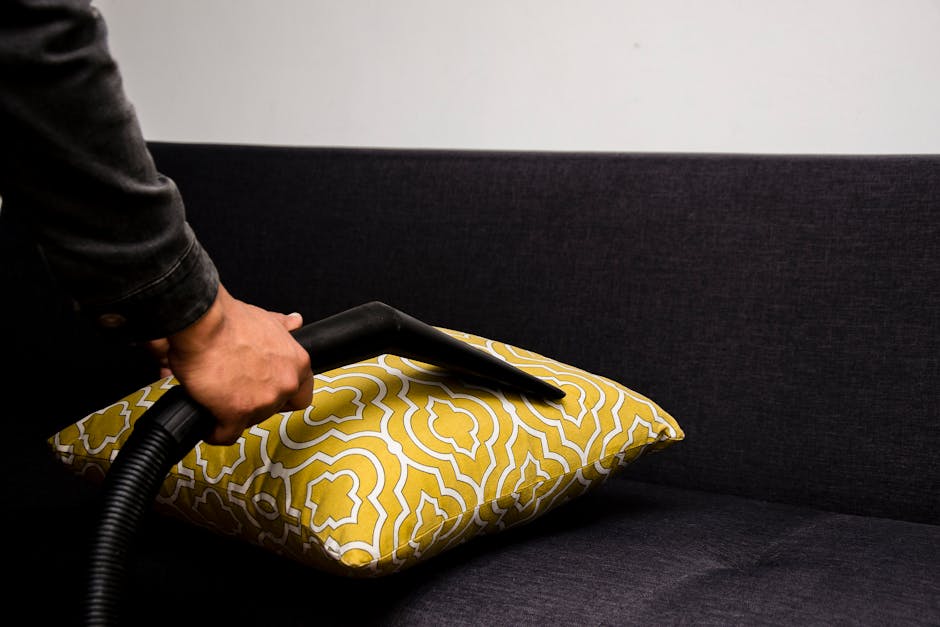
The actual cleaning usually involves vacuuming loose debris, pre-treating problem areas, working a safe solution into the fabric, extracting soil, and then setting up airflow to help the item dry. In a flat, drying is a big part of the job. Good air movement, open windows where possible, and sensible timing all help. In the evening, a room can feel stuffier, so daylight appointments often make life easier. Simple, really.
Professional cleaners should also account for access. That can mean protecting shared hallways, working around furniture that cannot be moved far, and being careful with water so nothing leaks onto flooring or skirting. If you have ever tried manoeuvring a two-seater through a narrow doorway, you know the drama already.
Related services can also matter if your flat needs more than one refresh. For example, if the upholstery is part of a broader deep clean, it may make sense to coordinate with sofa cleaning or other fabric care such as curtain cleaning. If the issue is a stubborn mark rather than overall dullness, targeted stain removal can be the more efficient route.
Key Benefits and Practical Advantages
People often think upholstery cleaning is just about appearance. It is partly that, yes, but the useful gains go wider than a "before and after" photo.
- Better everyday comfort: Clean fabric feels fresher to sit on, especially in small rooms where the sofa is used constantly.
- Improved room smell: Fabrics can trap odours from food, pets, smoke, and general daily life.
- Longer furniture life: Soil and grit rub against fibres over time, so removing them helps reduce wear.
- More appealing rental presentation: A clean sofa or armchair can make a flat feel looked after, which matters for viewings and inspections.
- Reduced allergy load: While cleaning is not a medical treatment, it can help reduce surface dust and allergens in soft furnishings.
- Better stain control: Acting early often means the difference between a managed mark and a permanent one.
There is also a less obvious benefit: peace of mind. When your furniture looks clean, the room tends to feel calmer. That matters in a flat where the living room may be your only real downtime space. After all, if your sofa is the place you eat dinner, watch telly, work, and collapse at the end of the day, it should not feel grimy. Bit obvious, but worth saying.
For households with pets, the difference can be dramatic. A good clean can lift fur, odour, and paw marks from seating that seems permanently "lived in". If pet smells are a recurring issue, a service with pet stain and odour removal experience is especially useful.
Who This Is For and When It Makes Sense
This type of cleaning suits a broad range of local residents, but a few situations stand out.
Tenants in flats
If you rent, upholstery cleaning can help you leave the property in better condition than you found it, or simply make your place more pleasant to live in. It is especially useful before an inventory check or at the end of a tenancy when wear and tear has become more visible. Just make sure you understand your tenancy terms first. No point guessing.
Landlords and letting agents
In compact flats around Hammersmith Broadway, soft furnishings can date quickly. A refreshed sofa or dining chair set can improve photographs, viewings, and the overall impression of a property. That does not mean cosmetic magic fixes everything, but it helps. A lot.
Homeowners
If you own the flat, upholstery cleaning is part of sensible maintenance. You would not leave carpets untouched forever, and the same thinking applies to sofas, footstools, and occasional chairs. These items take daily contact and deserve proper care.
Households with children or pets
Spills happen. Sticky hands happen. Fur happens. If you live with small children or pets, the furniture will need more frequent attention than in a quieter household. A regular routine keeps things manageable rather than waiting for one giant problem to appear all at once.
Anyone with limited space or awkward access
Local flats often have the same challenge: there is nowhere to hide large furniture while it dries, and moving items around is never as easy as it sounds. A service tailored to flats works with those limits instead of pretending they do not exist.
Step-by-Step Guidance
If you want the process to go smoothly, it helps to know what usually happens and what you can do before the cleaner arrives.
- Identify the items that need attention. Sofas, dining chairs, footstools, headboards, and occasional chairs can all be included if the fabric is suitable.
- Check fabric labels or previous cleaning notes. If you know the material, that information is useful. If not, do not panic; a good cleaner can still assess it.
- Clear small items away. Cushions, throws, books, toys, remote controls, and random bits of flat-life clutter are best moved beforehand. The truth is, everyone has that one chair that becomes a dumping ground.
- Vacuum the area lightly if you can. This is not mandatory, but it helps remove loose dust before deeper cleaning begins.
- Flag stains, odours, or concern areas. Be specific. "That coffee mark from January" is more useful than "there's a bit of a stain somewhere".
- Allow access and airflow. Open interior doors and, where possible, windows. In a flat, a little circulation goes a long way.
- Let the cleaner inspect before work starts. They should explain the chosen method and any limitations.
- Plan drying time realistically. Don't schedule guests to arrive an hour later. That way lies stress.
One practical point: if your sofa sits close to a wall, move it forward if space allows. Even a small gap can improve access and speed up drying. Not always possible in a tiny lounge, of course. But when it is, it helps.
If the job is part of a wider fabric refresh, you may also find it useful to pair it with general upholstery cleaning for mixed items around the flat, or with mattress cleaning if bedrooms need attention too.
Expert Tips for Better Results
Here is the part that often makes the difference between an average clean and one that actually feels worth doing.
- Treat spills quickly, but carefully. Blot first, do not rub. Rubbing can spread the stain or distort the pile.
- Use fabric-safe methods only. Harsh household cleaners can bleach, stiffen, or smear upholstery. The spray bottle under the sink is not always the hero.
- Be honest about old stains. If a mark has been there for months, it may improve rather than vanish. That is still a win.
- Think about drying conditions. In a small flat, airflow matters almost as much as the cleaning itself.
- Match the method to the material. Delicate fabric needs a gentler touch than a sturdy synthetic settee.
- Do a light maintenance vacuum every week or two. It stops dust from settling deep into fibres and keeps the item looking better between deep cleans.
Another useful habit is to rotate cushions if the furniture allows it. That way one seat does not get hammered while the others stay nearly untouched. It sounds trivial, but it really does help. Small habits, big difference.
If you're dealing with stubborn marks that keep coming back, it may be sensible to focus on targeted treatment rather than repeating a full clean too often. A cleaner with experience in stain removal will usually assess whether the problem is surface soil, dye transfer, or deeper fibre damage. That kind of distinction matters.
Common Mistakes to Avoid
Upholstery cleaning is one of those jobs where a small mistake can turn into a visible one. A few of the most common issues are easy to avoid once you know them.
- Using too much water: Soaking a cushion or armrest can lead to long drying times, odour, or even watermarking.
- Scrubbing aggressively: This can rough up the fabric and push the stain deeper.
- Ignoring fabric type: Velvet, wool blends, and delicate fibres need different handling.
- Cleaning only the stain, not the surrounding area: That often leaves a tide mark or obvious patch.
- Leaving drying to chance: In a flat, poor airflow can make even a good clean feel unfinished.
- Choosing price alone: Cheapest is rarely best when the furniture is expensive or the fabric is sensitive.
There is also the mistake nobody admits to until later: leaving a drink spill overnight and hoping it goes away by itself. It rarely does. Honestly, fabric has a memory for that sort of thing.
If a sofa is badly contaminated with pet mess or persistent smells, it may need more than a quick freshen-up. In those cases, it is better to ask for a method that addresses the odour source rather than masking it. That is where specialist odour treatment can be more effective than a standard clean.
Tools, Resources and Recommendations
You do not need to become a fabric scientist to care for upholstered furniture, but a few practical tools help.
- Vacuum with upholstery attachments: Useful for seams, corners, and under cushions.
- Microfibre cloths: Good for gentle blotting and light surface cleaning.
- Soft brush: Helpful on certain fabrics where a light lift of the pile makes a difference.
- White towels: Better for blotting stains because they do not transfer dye.
- Fan or open-window airflow: Simple but effective for drying in flat interiors.
When choosing a service, a few practical questions are worth asking before anyone starts:
- What cleaning method will be used on my fabric type?
- How will drying be handled in a flat with limited airflow?
- Can the cleaner explain any limitations for older or delicate furniture?
- Do they provide clear pricing and what is included?
- Are there safety and insurance details available if needed?
It also helps to check company information that explains how bookings, payments, and service expectations are handled. For example, pages such as pricing and quotes, payment and security, and insurance and safety can give you a better sense of how the service is organised. If you want to understand the company background first, about us is usually a sensible place to start.
Law, Compliance, Standards, or Best Practice
For upholstery cleaning in local flats, the main legal and compliance concerns are usually less about dramatic regulation and more about everyday care, safety, and consumer confidence. In the UK, a responsible service should handle cleaning chemicals carefully, work safely around residents and property, and communicate clearly about what a customer can expect. That sounds basic, but basics matter.
Best practice typically includes:
- Appropriate fabric testing before applying cleaning solutions broadly.
- Clear risk awareness around moisture, fragile fabrics, and slip hazards on nearby flooring.
- Transparent service terms so there are no surprises about access, drying, or limitations.
- Respect for building rules in flats, including shared corridors and quiet access where relevant.
- Proper handling of customer data and payments where bookings and quotations are discussed.
If you are comparing providers, it is fair to look for public-facing policy pages that show they take these basics seriously. Things like a health and safety policy, terms and conditions, privacy policy, and recycling and sustainability information can help you judge professionalism. You may never read every line. Most people don't. But having them there is reassuring.
There is also a customer-service side to compliance that people overlook. If something goes wrong, you want a clear route for raising concerns. A visible complaints procedure can be a small but meaningful sign that the business is prepared to deal with issues properly rather than shrugging them off. That matters, especially in a flat where access and timing can be a bit more complicated than usual.
Options, Methods, or Comparison Table
Different upholstery cleaning methods suit different flats and fabrics. Here is a straightforward comparison to help you think it through.
| Method | Best for | Advantages | Watch-outs |
|---|---|---|---|
| Hot water extraction | Durable fabric sofas and chairs | Deep soil removal, strong refresh, widely used | Needs careful drying; not ideal for delicate fabric |
| Low-moisture cleaning | Flats with limited airflow or faster turnaround needs | Quicker drying, gentler on some materials | May not suit heavy soiling as well as deeper methods |
| Spot treatment | Single stains or localised marks | Focused, efficient, often less disruptive | Does not replace a full clean where soil is widespread |
| Specialist dry cleaning | Delicate or sensitive fabrics | Minimal water exposure, safer for certain materials | Requires correct fabric identification and expertise |
In small flats, low-moisture or carefully controlled extraction methods are often attractive because drying space is limited. But the right choice depends on the fabric, not just the size of the room. A compact flat with a robust fabric sofa may still be a good candidate for deeper extraction, while a more delicate chair may need a gentler option. Context wins every time.
Case Study or Real-World Example
Picture a typical one-bedroom flat near Hammersmith Broadway. The living room is not huge, and the sofa doubles as the main seating area for evenings, guests, and the occasional work-from-home lunch break. Over time, the fabric has picked up a faint food smell, the armrest looks darker than the rest of the sofa, and the scatter cushions have lost a bit of their bounce in appearance. Nothing dramatic. Just enough to make the room feel tired.
The first step is inspection. The cleaner checks the fabric, identifies a couple of light drink marks, and notes that access to the sofa is a little tight because one side is close to a radiator. The chosen method is a controlled clean with targeted pre-treatment on the armrest and a careful drying plan using airflow from an open window and a fan positioned safely nearby.
What happens next is usually the part clients appreciate most. The room smells fresher, the sofa colour looks more even, and the seating area stops feeling "a bit off". Not brand-new, of course. Nobody sensible promises that. But noticeably better, and that is enough to change how the flat feels.
The real win is not just the sofa itself. It is the whole room. Once the upholstery looks clean, the curtains, carpet, and surrounding furniture tend to look better too. Funny how that works. One clean item can lift the whole space.
Practical Checklist
Use this quick checklist before booking upholstery cleaning for a local flat:
- Identify every upholstered item you want cleaned.
- Check whether any fabric labels or care notes are available.
- Point out all visible stains, odours, and worn areas.
- Ask how the cleaner will handle drying in a flat.
- Confirm whether access is via stairs, lift, or both.
- Move small items and clutter away from the furniture.
- Prepare pets so they are safely out of the work area.
- Ask about the cleaning method for your specific fabric.
- Review pricing, payment, and service terms in advance.
- Allow enough time after the clean for proper drying.
Quick takeaway: the best upholstery cleaning result in a flat usually comes from the right method, enough drying time, and honest expectations about the fabric's age and condition.
Conclusion
Hammersmith Broadway upholstery cleaning for local flats is not just about making furniture look a bit nicer for five minutes. It is about keeping compact homes comfortable, presentable, and easier to live in. In smaller London flats, every surface works harder, so soft furnishings really do need thoughtful care. The right approach protects the fabric, supports a fresher room, and avoids the messier mistakes that come from guessing.
If you remember one thing, make it this: clean upholstery should suit the fabric, the flat, and the way you actually live. That is what makes the result feel worthwhile rather than merely cosmetic. And honestly, there is something quietly satisfying about sitting down on a sofa that feels fresh again after a long day in London. Small pleasure, big difference.
Get a free quote today and see how much you can save.
Frequently Asked Questions
How often should upholstery be cleaned in a local flat?
It depends on use, pets, children, and how quickly the fabric shows marks. Many flats benefit from periodic professional cleaning when the furniture starts to look dull or hold onto odours, rather than waiting for visible damage.
Is upholstery cleaning safe for small flats near Hammersmith Broadway?
Yes, when the method is chosen carefully and drying is managed properly. In a flat, the main concerns are airflow, access, and moisture control, so a good cleaner will plan around those factors.
Will upholstery cleaning remove all stains?
Not always. Fresh stains are usually easier to improve than old ones, and some marks may have permanently altered the fibre or dye. A professional clean can often reduce visibility significantly, though.
How long does upholstery take to dry in a flat?
Drying time varies by fabric, method, and room conditions. Good airflow, low humidity, and lighter moisture use can all help. In a compact flat, it is sensible to allow enough time before using the furniture heavily again.
Can I clean my sofa myself instead of booking a service?
You can handle basic vacuuming and light spot treatment, but DIY cleaning can be risky on delicate or mixed fabrics. Over-wetting and using the wrong product are common mistakes, and they can make the problem worse.
What types of furniture can be cleaned?
Usually sofas, armchairs, dining chairs, footstools, and some headboards can be treated if the fabric is suitable. The cleaner should inspect each item and advise on the safest method.
Does pet hair come out during upholstery cleaning?
Much of it can be removed, especially if the item is vacuumed properly beforehand and the fabric is suitable for deeper cleaning. If pet odours are also present, you may need a more targeted treatment.
Will upholstery cleaning help with smells?
Yes, often. Fabrics can hold onto cooking smells, pet odours, and general stale air. Cleaning can freshen the material, though very strong or deeply embedded odours may need specialist attention.
Is it worth cleaning older upholstery?
Usually, yes, if the frame and fabric are still in good enough condition. Even older furniture can benefit from a proper refresh, but it is important to be realistic if wear, fading, or damage is already advanced.
What should I do before the cleaner arrives?
Clear small items away, identify problem spots, and make access as easy as possible. If you have pets, keep them safe and out of the work area. A little preparation makes the visit smoother.
How do I know which cleaning method is right?
The fabric type is the main guide. A professional should inspect the item, test it where needed, and choose between extraction, low-moisture cleaning, spot treatment, or a specialist dry method based on the material and condition.
Can upholstery cleaning be combined with other flat cleaning tasks?
Yes, and that is often practical. Many people pair upholstery work with carpet care, rug cleaning, or curtains to freshen the room more completely. It can save time and give a more balanced result across the flat.