Same day carpet cleaning for emergency stains in W6
If you have just spilled red wine, coffee, muddy water, pet mess, or something worse on a carpet in W6, you do not need a lecture. You need the stain dealt with quickly, properly, and without making it spread. That is exactly where same day carpet cleaning for emergency stains in W6 makes a real difference. The first hour matters. The wrong dab, the wrong chemical, or too much water can turn a small accident into a stubborn mark, a lingering smell, or even fibre damage. This guide explains what same day emergency carpet cleaning involves, how it works, what to do before the cleaner arrives, and how to judge whether a carpet can be saved or needs specialist attention.
W6 homes and businesses see all the usual culprits: wine in the lounge after visitors leave, a dropped takeaway sauce near the sofa, pet accidents by the hallway, or muddy footprints after a wet London afternoon. It happens. The good news is that fast, informed action often improves the final result a lot. Let's walk through it calmly.
Table of Contents
- Why Same day carpet cleaning for emergency stains in W6 Matters
- How Same day carpet cleaning for emergency stains in W6 Works
- Key Benefits and Practical Advantages
- Who This Is For and When It Makes Sense
- Step-by-Step Guidance
- Expert Tips for Better Results
- Common Mistakes to Avoid
- Tools, Resources and Recommendations
- Law, Compliance, Standards, or Best Practice
- Options, Methods, or Comparison Table
- Case Study or Real-World Example
- Practical Checklist
- Conclusion
- Frequently Asked Questions
Why Same day carpet cleaning for emergency stains in W6 Matters
Emergency stains behave differently from old, settled marks. Fresh spills are mobile. They travel through carpet fibres, into the backing, and sometimes into underlay if the liquid is left sitting. That is why a stain that looked "small enough" at first can become a much larger patch by the afternoon. In practical terms, same day response is about containment as much as cleaning.
W6 properties vary a lot too. You may be dealing with Victorian floorboards and fitted carpet, a modern flat with synthetic pile, a rental property between tenancies, or a busy office reception. Each setting has different risks. For example, a wool carpet in a period property can react badly to aggressive scrubbing, while a commercial synthetic carpet may tolerate stronger spot treatment but still hold odour if the spill soaked through.
Speed also matters for appearance. The longer a stain sits, the more it oxidises, dries, and bonds to the fibres. That is especially true for tannin stains like tea and coffee, dye-based spills like red wine, and protein stains such as food, milk, or pet accidents. A same day visit gives the cleaner the best chance to work while the spill is still treatable. Truth be told, that often saves people money too, because a quicker intervention may prevent more extensive restorative work later.
Expert summary: same day carpet cleaning is not just about urgency; it is about limiting spread, preserving fibres, controlling odour, and improving the odds of a near-invisible finish before the stain sets in.
How Same day carpet cleaning for emergency stains in W6 Works
The process is usually straightforward, but the details matter. A good response starts with a short assessment. The cleaner will want to know what caused the stain, how long ago it happened, whether you have already tried cleaning it, and what type of carpet is involved. That information helps decide the safest approach. If you have used supermarket stain removers, for instance, the chemical residue can change how a professional solution behaves. Not ideal, but still manageable in many cases.
Once on site, the cleaner typically begins by isolating the affected area. That means checking whether the stain is surface-level or has penetrated deeper, then selecting an appropriate pre-treatment. For emergency stains, this can involve:
- spot testing a small hidden area first
- gently lifting residue without pushing it deeper
- using controlled moisture rather than soaking the carpet
- applying a targeted stain solution matched to the spill type
- extracting the loosened soil and liquid with specialist equipment
- finishing with deodorising or fibre-neutralising steps where needed
Steam-based or hot water extraction methods are often used for deeper cleaning, but they are not always the first move for every emergency stain. For some marks, a careful stain-removal treatment comes first, followed by extraction. That order is important. If you blast the area too early with water, you can drive the stain outwards and create a larger halo. Nobody wants a lovely circular "clean patch" with a dark ring around it. Very modern art, but not the desired effect.
Drying is another key stage. Fast drying reduces the risk of re-soiling and lingering damp smells. Professionals may use ventilation, air movement, and controlled moisture levels to keep the carpet stable. If the carpet is wool, antique, or unusually delicate, the process should be especially cautious.
If you want to understand broader cleaning approaches for carpets beyond emergencies, it can help to look at the site's general carpet cleaning information and the more focused stain removal service overview. For deeper sanitation and pile refresh, steam carpet cleaning is also relevant when the carpet can safely take it.
Key Benefits and Practical Advantages
The first benefit is obvious: faster action usually means a better chance of stain recovery. But there are several other practical advantages that people often overlook.
- Less fibre damage: the right same day treatment can reduce the temptation to scrub hard at home.
- Lower risk of odour: spills that sit too long tend to smell worse, especially food and pet-related accidents.
- Better appearance for guests or clients: if you are hosting, renting, or running a business, a quick fix matters a lot.
- More predictable results: a trained cleaner can identify when a stain is likely removable and when fading is the realistic goal.
- Less disruption: an emergency visit can prevent a temporary mess from becoming a multi-day headache.
There is also peace of mind. That sounds soft, but it matters. If you have spent 20 minutes staring at a spreading patch on the rug with a damp towel in your hand, you know the feeling. Having a plan, and a professional who knows how to treat the carpet properly, changes the whole mood of the situation.
For households with pets, same day help can be a lifesaver. Pet accidents are not just stains; they are odour and hygiene issues too. In those cases, pet stain and odour removal is often the most relevant route. And if the spill has landed on soft furnishings as well, it may make sense to consider upholstery cleaning or sofa cleaning at the same visit, rather than piecemeal fixes later.
Who This Is For and When It Makes Sense
This service is for anyone who cannot afford to wait. That sounds obvious, but the real triggers vary quite a bit.
Homeowners and tenants often need same day carpet cleaning after drink spills, makeup accidents, cooking splashes, pet mishaps, or muddy entryway marks. Tenants may also want to act quickly before a stain becomes an issue at the end of a tenancy. Landlords, to be fair, know how quickly a small mark can become a dispute if it is ignored.
Families with children often need emergency help because the spill is fresh and the room is still in use. Juice, yoghurt, paint, and snack stains are all common. The trick is not panic. A calm, fast approach gives far better results than aggressive rubbing and five different cleaners mixed together in the sink. Yes, people do that.
Businesses in W6 may need same day cleaning after customer spillages, office accidents, or a reception area incident. For workplaces, the decision is often about presentation, health and safety, and keeping staff moving without a messy floor becoming a slip risk. In that context, commercial carpet cleaning is the wider service family that emergency work usually sits within.
Rugs and specialist textiles may need a slightly different approach. A decorative rug in a living room, for example, is not treated exactly the same way as a fitted hallway carpet. If the item can be moved safely, rug cleaning may be the better option.
When does it make sense to call? Usually when the stain is fresh, visible, or potentially odorous; when you are not sure which product to use; or when the carpet is valuable, light coloured, or delicate. If in doubt, leave the DIY chemistry experiment for another day.
Step-by-Step Guidance
Here is a practical sequence you can follow while waiting for a same day cleaner. It is simple, but a calm few minutes often makes a real difference.
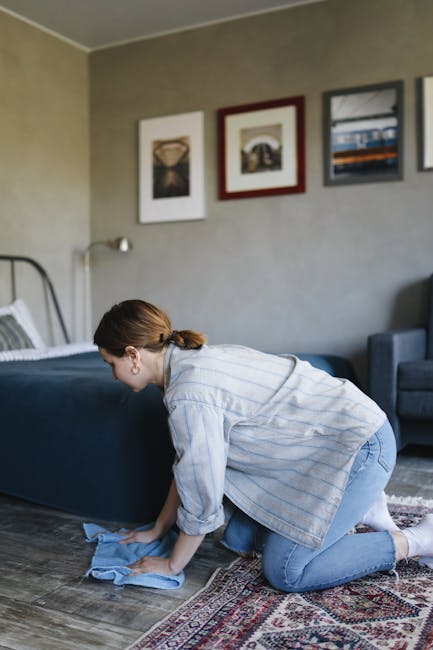
- Blot, do not rub. Use a clean, white cloth or paper towel and press gently from the outside of the spill inward. Rubbing spreads the stain and roughens the fibres.
- Remove solids carefully. If it is food or mud, lift what you can without pushing it deeper.
- Do not soak the area. Excess water can carry the stain into the carpet backing and underlay.
- Keep the area clear. Stop foot traffic across the spill, and if needed place a simple barrier nearby.
- Note what caused the stain. Wine, coffee, ink, grease, bleach, pet urine, and paint all need different handling.
- Avoid random chemical combinations. Mixing household products is risky and can make the stain worse or damage the carpet.
- Arrange the same day visit. Share the carpet type, stain type, approximate size, and any products already used.
- Ask about drying time. You will want to know when the room can be used again, especially in family homes or busy workplaces.
A small but important point: take a quick photo of the stain before any more cleaning is attempted. Not for drama. Just for reference. It helps if the stain changes shape after blotting or if you need to explain what happened to the cleaner later.
If the stain is tied to a broader cleaning need, such as after a renovation, end of tenancy, or a party that left more than one problem area, it may be worth asking about the general service options and how they combine with targeted stain removal.
Expert Tips for Better Results
There are a few habits that consistently improve outcomes, and most of them are surprisingly low-tech.
First, identify the stain category. Water-based stains, grease-based stains, dye stains, and protein stains are handled differently. A cleaner who asks the right questions before arriving is usually a good sign. It means they are not just turning up with a single spray bottle and optimism.
Second, treat wool with care. Wool carpets are durable, but they are not invincible. They can be sensitive to high heat, strong alkalinity, and excessive agitation. The safest method often involves testing, measured cleaning, and a bit of patience.
Third, manage the edges. Many stains spread because people scrub the centre only. The stain edge is often where the halo forms. A measured, outward-to-inward approach usually works better.
Fourth, dry with airflow. If you can, keep a window open a little or let the cleaner advise on ventilation. A carpet that looks fine but feels damp can still pick up smells later.
Fifth, be honest about what happened. If you used bleach, detergent, white spirit, soda, vinegar, or a supermarket spot remover, say so. No judgement. Really. But it changes the treatment plan.
Sometimes the best result is not a miracle; it is a careful reduction so the stain becomes barely noticeable in normal light. That is still a win. Especially if it was on a pale carpet in a north-facing room where every tiny mark shows up by lunchtime.
Common Mistakes to Avoid
Emergency stain cleaning often goes wrong because people are trying to help fast. That instinct is understandable. The issue is that some quick fixes do more harm than good.
- Scrubbing hard: this frays the pile and drives the stain deeper.
- Using too much water: this can spread the mark and prolong drying.
- Testing the wrong product first: harsh cleaners may bleach, distort, or leave a residue.
- Ignoring the backing: a stain that looks minor on the surface can still smell later if it has soaked through.
- Leaving a spill overnight: that is when fresh accidents become set stains.
- Mixing cleaners: bad idea. Some combinations can produce fumes or damage fibres.
- Delaying the call for help: if the carpet is valuable or the spill is large, waiting usually reduces the odds of a full recovery.
Another common mistake is assuming every stain should be treated the same way. Coffee is not curry. Pet urine is not mud. Ink is not juice. Obvious enough, maybe, but in real life people often reach for the nearest household spray and hope for the best. Hope is lovely. Not a cleaning method, though.
Tools, Resources and Recommendations
You do not need a van full of gadgets to deal with a fresh stain, but a few practical items help while waiting for the cleaner.
- clean white cloths or uncoloured paper towels
- a small bowl of cool water for gentle blotting if advised
- a spoon or blunt edge for lifting solids
- fan or open-window airflow to help drying
- access to the affected room and nearby parking if the cleaner needs to unload equipment
- basic notes about the stain source, timing, and any products already used
For more than just carpets, it helps to know which service page matches the surface involved. For example, a dining chair or hallway runner may be better addressed through upholstery cleaning or rug cleaning, while a bedroom setup may need mattress cleaning if the accident spread beyond the floor. Small thing, but using the right service frame keeps expectations sensible.
If you are comparing options, a trusted company should also be open about pricing, arrival expectations, and what is included in the visit. The page on pricing and quotes is the sensible place to check those details before booking. And if you are the cautious type, which frankly is no bad thing, have a look at insurance and safety as well. It is the sort of page people forget until they really need it.
Law, Compliance, Standards, or Best Practice
Carpet cleaning in the UK is not usually a heavily regulated emergency service in the way healthcare or gas work is, but good practice still matters a lot. In homes and businesses, cleaners should work in a way that is sensible, safe, and transparent. That means using appropriate products, testing delicate materials where needed, and not making exaggerated claims about impossible stain removal.
In practical terms, good standards include:
- clear communication: explaining likely outcomes before work begins
- care around chemicals: using products responsibly and keeping them away from children and pets
- safe working methods: reducing slip risks and avoiding excess moisture
- respect for property: protecting adjoining areas and handling furnishings carefully
- honest advice: saying when a stain may lighten rather than disappear completely
For commercial settings, workplace safety becomes more important because the carpet sits inside a live environment with staff, customers, or visitors moving around. A cleaner should think about access routes, drying times, and possible slip hazards. That's just common sense, but common sense is not always common, is it?
It is also sensible to check company policies where relevant. The pages on terms and conditions, privacy policy, and health and safety policy can help you understand how the company handles the booking, your information, and practical safety expectations. If you have questions about sustainability or waste reduction after the clean, recycling and sustainability is also worth a look.
Options, Methods, or Comparison Table
Different emergency stains call for different methods. The right choice depends on fibre type, spill type, and how quickly the cleaner can attend. The table below gives a practical comparison.
| Method | Best for | Strengths | Limitations |
|---|---|---|---|
| Careful spot treatment | Fresh small spills, localised stains | Fast, targeted, low moisture | May not be enough for deep soak-through |
| Hot water extraction | Deeper contamination, larger affected areas | Good for soil removal and residue extraction | Requires drying time; not ideal for every fibre |
| Steam carpet cleaning | Suitable synthetic or robust carpets | Deep clean potential, widely effective | Needs correct technique; not first choice for all stains |
| Dry or low-moisture cleaning | Delicate materials or time-sensitive rooms | Faster drying, less water use | May be less effective on embedded residue |
| Specialist odour treatment | Pet accidents or organic spills | Targets smell as well as visible mark | May require more than one treatment step |
There is no universal winner. A knowledgeable cleaner chooses the method after looking at the carpet, not before. That is the bit people pay for, really.
Case Study or Real-World Example
Picture a typical W6 evening. A family has guests over, and a glass of red wine tips onto a light carpet near the living room sofa. It happens in seconds. The first instinct is to press down with a napkin, then perhaps add a little water, then maybe a stain spray because someone remembers seeing one in the cupboard. By the time the room goes quiet again, the patch is wider than it looked at first.
In a case like this, same day cleaning can still make a strong difference. The cleaner would assess whether the stain is still fresh, test the fibre, and treat the mark with a controlled solution rather than a heavy soak. If the spill has only reached the surface, results can be very good. If the stain has penetrated deeper, the cleaner may still improve it significantly, though a faint shadow can remain in certain light.
I once saw a similar situation where a hallway carpet looked, honestly, a bit doomed after a muddy rain-and-coffee combination. The owner had spent the morning blotting it with a towel that had probably seen better decades. The cleaner did a careful pre-treatment, then extracted the residue in stages. The carpet did not come back looking brand new, but it did come back looking respectable enough that nobody noticed unless they crouched down and went looking. Which, let's be fair, nobody does unless they are the one who spilled it.
That is the useful benchmark for emergency work: not perfection at any cost, but the best possible recovery without damaging the carpet in the process.
Practical Checklist
Use this quick checklist before the cleaner arrives.
- Blot the stain gently with a clean white cloth
- Keep people and pets away from the area
- Do not scrub, soak, or mix cleaning products
- Make a note of what caused the stain
- Take a photo if the spill is changing or spreading
- Check whether the carpet is wool, synthetic, or mixed if you know it
- Tell the cleaner what you have already tried
- Clear nearby furniture if safe to do so
- Arrange airflow for drying after treatment
- Ask about any follow-up care needed
Quick reminder: if the spill is large, smelly, or on a valuable carpet, the safest move is to stop experimenting and get help quickly.
Conclusion
Same day carpet cleaning for emergency stains in W6 is really about timing, judgement, and damage control. Act quickly, avoid the common DIY mistakes, and choose the right method for the carpet and the stain. That combination gives you the best chance of saving the appearance, protecting the fibres, and stopping a small accident from becoming a bigger job later. In a busy household or workplace, that matters more than people think.
If you need help with a fresh spill, take a calm breath, protect the area, and make the next step a sensible one. A good same day response can turn a stressful moment into a manageable one, and that is worth a lot on a messy day.
Get a free quote today and see how much you can save.
Frequently Asked Questions
How fast should I call for same day carpet cleaning after a spill?
As soon as you can. The earlier the response, the better the chance of stopping the stain from settling into the fibres or backing. Fresh spills are usually far easier to treat than marks left for several hours.
Can every emergency stain be removed completely?
No, and it is better to be honest about that. Some stains can be fully removed, while others can only be lightened or improved. The result depends on the stain type, fibre type, and what has already been tried.
Should I use water on the stain before the cleaner arrives?
Usually only a very small amount, and only by blotting if needed. Too much water can spread the stain or push it deeper. If you are unsure, blot dry and wait for the professional.
What kinds of stains count as emergencies?
Red wine, coffee, tea, pet urine, vomit, food spills, ink, makeup, and muddy contamination often need urgent attention. Anything that may smell, spread, or set quickly is worth treating as urgent.
Is same day carpet cleaning suitable for wool carpets?
Yes, but wool needs extra care. A knowledgeable cleaner will test first, use controlled moisture, and avoid harsh treatment that could damage the fibres or cause shrinkage.
How long does the carpet take to dry after emergency cleaning?
Drying time varies by method, fibre type, room ventilation, and how much liquid was involved. Some carpets dry quite quickly, while deeper cleaning can take longer. Good airflow helps a lot.
What should I tell the cleaner before they arrive?
Tell them what caused the stain, how long ago it happened, the approximate size, the carpet type if known, and whether you have already used any products. That information makes the treatment much more effective.
Can same day cleaning help with pet odours as well as stains?
Yes, often it can. Pet accidents usually need both stain treatment and odour-focused cleaning. For those cases, pet stain and odour removal is the most relevant approach.
Is it worth booking same day cleaning for a small stain?
If the carpet is valuable, pale, delicate, or in a visible area, yes. Small stains can still become stubborn, especially if they are the kind that leave a halo or smell later.
What is the difference between spot treatment and steam carpet cleaning?
Spot treatment focuses on the immediate stain and uses targeted cleaning. Steam carpet cleaning is a broader deep-clean method that can remove more general dirt and residue, but it is not always the first or safest step for every emergency stain.
Will insurance cover emergency carpet cleaning?
Sometimes, depending on the policy and the cause of the damage. It is sensible to check your own cover and keep any receipts or notes if you think a claim might be possible. The cleaner can usually explain what was done, but they cannot advise on your policy terms.
How do I know if I need carpet cleaning or rug cleaning?
If the item is a fitted floor carpet, carpet cleaning is usually the right route. If it is a loose, moveable rug, rug cleaning may be more appropriate. The construction and dye stability matter, so the cleaner may ask to inspect it first.